Online Language Classes vs Traditional Classrooms: Which Wins in 2026?
If you are weighing online language classes against the traditional classroom, you are asking the right question at the right time. In 2026, the debate is no longer about whether digital learning works — it clearly does — but about which format delivers the best results for your specific goals, schedule, and learning style. This comparison cuts through the hype and gives you a clear framework for deciding.
Both approaches can produce fluent speakers. The difference lies in cost, convenience, feedback quality, and the kind of discipline each demands. Let us break down exactly how they stack up so you can invest your time and money wisely.
What Online Language Classes Actually Offer
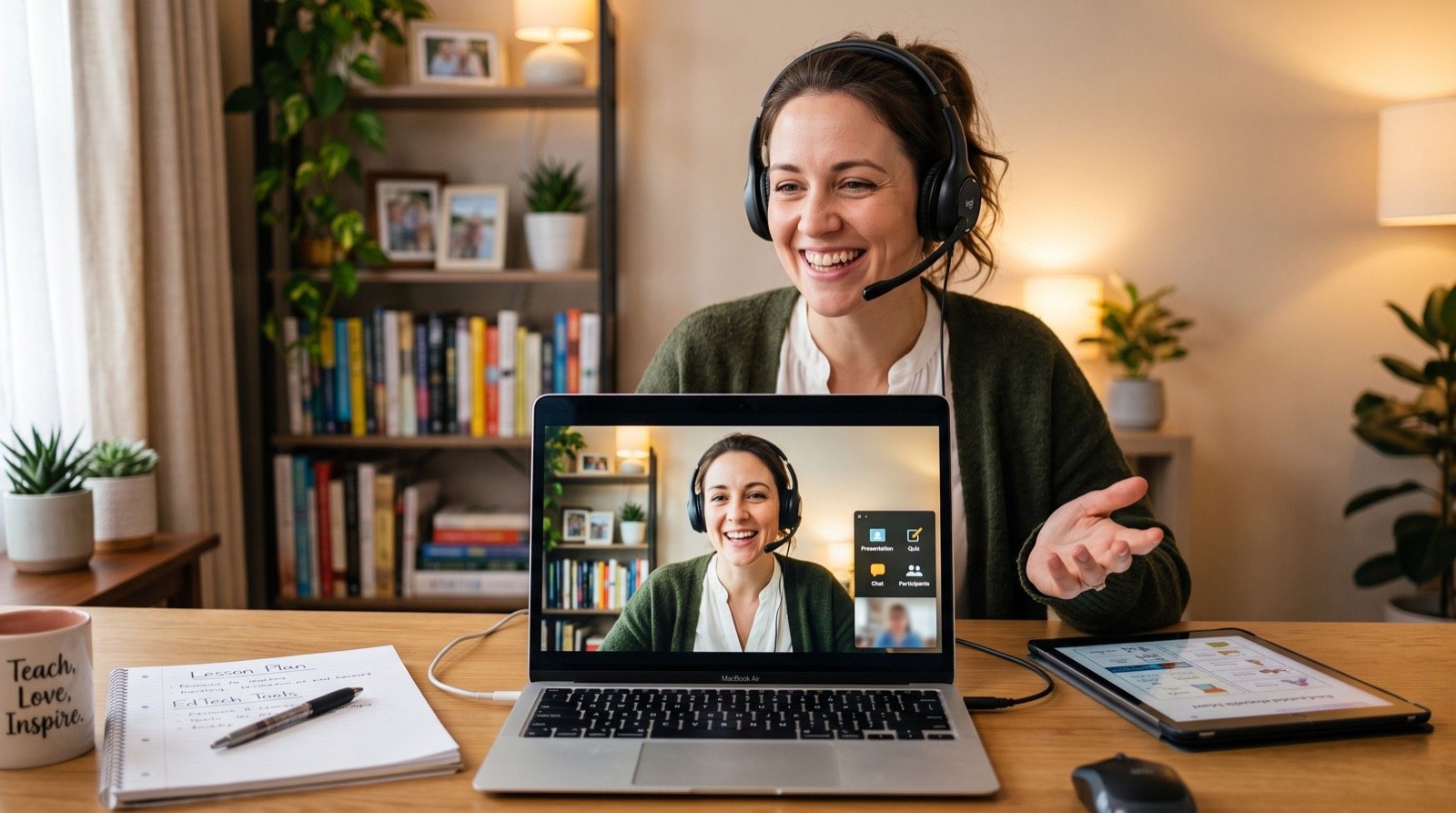
Modern online learning bears little resemblance to the clunky video calls of a few years ago. Today’s virtual classrooms blend live instruction, shared digital whiteboards, instant messaging for quick questions, and recorded playback for revision. The result is a surprisingly rich environment.
The biggest draw is removal of friction. There is no commute, no fixed location, and often no rigid timetable. A learner in Islamabad can take online language classes with a qualified teacher during a lunch break and review the recording that evening. That flexibility keeps momentum alive when life gets busy.
Where online formats shine
- Scheduling freedom — fit lessons around work and family.
- Wider teacher pool — access specialists beyond your city.
- Replayable content — revisit tricky grammar anytime.
- Lower overall cost — no travel, often lower fees.
The Enduring Strengths of the Traditional Classroom
Physical classrooms are far from obsolete. For some learners, the structure and social energy of a room full of peers is exactly what drives progress. Accountability is baked in: you show up, you participate, and a teacher reads your body language in real time.
Group dynamics also create natural speaking practice. Role-plays, debates, and spontaneous conversation flow more easily when people share a physical space. For younger learners especially, that face-to-face contact can sustain attention better than a screen.
Head-to-Head: How Do the Two Compare?
The table below summarises the trade-offs most learners care about in 2026.
| Factor | Online classes | Traditional classroom |
|---|---|---|
| Flexibility | Excellent | Limited |
| Cost | Lower | Higher |
| Teacher choice | Global | Local only |
| Social practice | Moderate | Strong |
| Self-discipline needed | High | Moderate |
| Revision material | Recorded | Notes only |
According to the British Council, effective language learning depends most on regular, meaningful interaction in the target language — something both formats can deliver when taught well. The format matters less than the quality of instruction and the consistency of practice.
Which Format Is Right for You?
Choose based on honest self-knowledge rather than trend. Ask yourself three questions:
- How disciplined am I? Online rewards self-starters; classrooms support those who need external structure.
- How tight is my schedule? If your week is unpredictable, online flexibility is invaluable.
- Do I learn better socially or independently? Extroverts often thrive in group rooms; focused learners prefer one-to-one online sessions.
Many learners land on a hybrid: online for convenience and one-to-one feedback, plus occasional group sessions for live conversation. Working with the best tutors in Islamabad often means they can offer both, blending the strengths of each format around your needs.
An insider tip worth remembering
Whichever format you pick, the real multiplier is a teacher who tailors each session to you. A generic lesson delivered online or in person wastes time equally. Before enrolling, ask how the provider personalises instruction. A committed, experienced local team will assess your level first and adjust the roadmap as you improve, which beats any format advantage on its own.
Getting the Most From Whichever Format You Choose
The format is only half the equation; how you engage with it decides your results. Learners who thrive, online or in person, share a handful of habits that amplify every lesson they take.
- Prepare before each session — arrive with questions so live time is spent practising, not warming up.
- Speak more than you listen — insist on conversation, not lectures.
- Review within 24 hours — revisiting notes while fresh locks in retention.
- Use the language daily — even five minutes of output beats an hour of passive scrolling.
- Ask for honest feedback — correction is where improvement actually happens.
These habits matter because a lesson, however well delivered, is only a spark. The learning happens in what you do between sessions. Online learners especially need this self-driven follow-through, since no one is watching whether you practise.
What About Younger Learners and Children?
Parents often ask whether children can handle online classes. The answer is nuanced. Young children generally benefit from shorter, highly interactive online sessions paired with plenty of real-world practice, since screen fatigue sets in faster at that age. Teenagers, by contrast, often adapt to online formats seamlessly and appreciate the flexibility around school and extracurricular commitments. For the youngest learners, a hybrid model, blending brief online lessons with occasional in-person contact, tends to produce the steadiest engagement and results.
Parental involvement also shifts by age. With younger children, a parent nearby during online sessions keeps attention focused and reassures the learner. Teenagers usually prefer independence and respond better when they own their schedule. Whatever the age, keep sessions short enough to hold genuine attention and frequent enough to build real momentum, since little and often beats long and rare for language retention.
Frequently Asked Questions
Are online language classes as good as in-person lessons?
For most adults and teenagers, yes. Online classes match classroom results when they include live instruction and regular speaking practice. Younger children sometimes benefit from added face-to-face contact.
Do online classes cost less than traditional ones?
Generally yes. Removing travel and venue costs lowers fees, and you can often find specialist teachers at competitive rates who would be unavailable locally.
What technology do I need for online classes?
A reliable internet connection, a laptop or tablet, a webcam, and headphones are enough. Most platforms run in a browser, so no complex software is required.
Can beginners start with online classes?
Absolutely. Beginners often progress faster online because one-to-one attention and replayable lessons let them master fundamentals at their own pace.
The Verdict
There is no single winner in the online language classes versus classroom debate — only the best fit for you. Online wins on flexibility, cost, and teacher choice; classrooms win on social energy and built-in accountability. Match the format to your discipline and schedule, insist on personalised instruction, and you will succeed either way. Ready to begin? Book a trial lesson and discover which format unlocks your fluency fastest.